








How to Start a Small Herb Garden Indoors: A Beginner’s Guide
Starting a small herb garden indoors is a rewarding way to bring fresh flavors into your cooking while adding a touch of greenery to your home. Whether you have a sunny windowsill or a small corner in your kitchen, growing herbs indoors is simple and satisfying—even for beginners. This guide will walk you through everything you need to know to get your herb garden started and thriving.
Why Grow Herbs Indoors?
Growing herbs indoors has many benefits:
– Freshness: Harvest herbs as you need them, ensuring peak flavor.
– Convenience: No need to go outside or buy fresh herbs at the store.
– Year-round growing: Indoor gardens aren’t limited by seasons.
– Air quality: Many herbs help improve indoor air by filtering toxins.
– Aesthetics: Herb plants add a lovely, natural touch to your space.
Choosing the Right Herbs
Not all herbs thrive equally well indoors, so it’s best to start with varieties known for their adaptability and ease of care.
Best Herbs for Indoor Gardens
– Basil: Needs plenty of sunlight and warmth.
– Mint: Grows well in indirect light and prefers some moisture.
– Parsley: Does well with moderate sunlight.
– Chives: Thrives in containers with bright light.
– Thyme: Prefers full sun but tolerates some shade.
– Cilantro: Likes cooler temperatures and bright light.
– Oregano: Needs bright light and well-draining soil.
Choose herbs based on your cooking preferences and the light conditions in your home.
What You’ll Need to Get Started
Gathering the right supplies will make your gardening experience smoother.
Essential Supplies
– Containers: Small pots or planters with drainage holes.
– Potting mix: Use a well-draining, sterile potting mix designed for indoor plants.
– Seeds or seedlings: Choose organic seeds or starter plants from a nursery.
– Watering can: Small and easy to control watering.
– Light source: A sunny window with south or west exposure or a grow light if natural light is limited.
– Fertilizer: Balanced, water-soluble fertilizer appropriate for herbs.
Setting Up Your Herb Garden
Step 1: Choose the Location
Find a spot that receives 6 to 8 hours of bright, indirect sunlight daily. If natural sunlight is insufficient, consider using a full-spectrum LED grow light to supplement.
Step 2: Prepare Containers
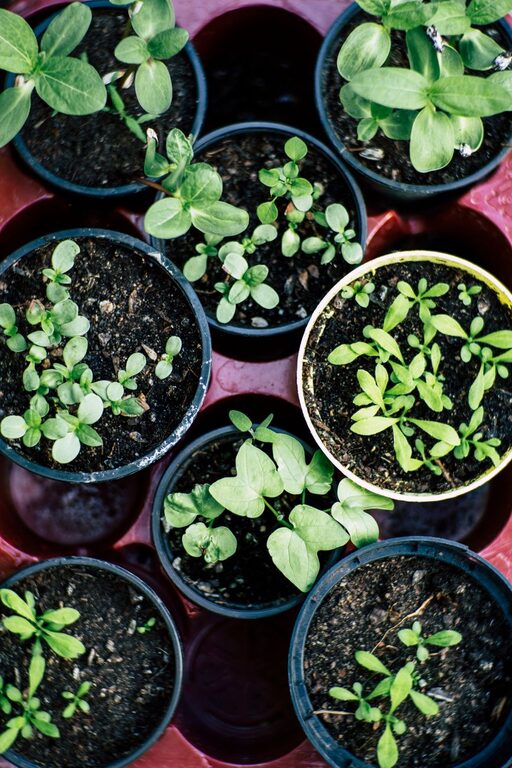
Fill your pots with potting mix, leaving about half an inch at the top. Make sure containers have drainage holes to prevent waterlogging.
Step 3: Plant Your Herbs
– If using seeds, follow the instructions on the packet regarding planting depth and spacing.
– If using seedlings, gently loosen the roots before planting.
Water the soil lightly after planting.
Step 4: Water Wisely
Herbs prefer moist but not soggy soil. Water when the top inch of soil feels dry. Avoid overwatering by ensuring your pots drain well.
Step 5: Provide Adequate Light
Place pots near your light source. Rotate plants every few days to ensure even growth.
Step 6: Fertilize Occasionally
Feed your herbs every 4-6 weeks with a diluted, balanced fertilizer to encourage healthy leaves.
Caring for Your Indoor Herb Garden
Pruning and Harvesting
– Regularly pinch back herb tips to encourage bushier, fuller plants.
– Harvest leaves by snipping stems, but avoid removing more than one-third of the plant at once.
Pest Management
– Keep an eye out for common pests like aphids or spider mites.
– Use natural remedies such as insecticidal soap or wipe leaves with a damp cloth.
Troubleshooting Common Issues
– Yellow leaves: May indicate overwatering or poor drainage.
– Leggy growth: Usually a sign of insufficient light.
– Slow growth: Could mean your plants need feeding or repotting.
Tips for Success
– Start with a few herbs rather than many to avoid overwhelm.
– Label your pots to keep track of different herbs.
– Experiment with different container types to find what works best in your space.
– Keep a small notebook to track watering, light, and growth patterns.
Conclusion
An indoor herb garden is a practical and enjoyable way to connect with nature, enhance your cooking, and beautify your home. With the right herbs, proper care, and a little patience, you’ll soon have fresh, flavorful greens at your fingertips. Start small, stay consistent, and watch your indoor garden flourish.
Enjoy the process of growing your own herbs and savor the delicious rewards!